.png)
In this guide
TL;DR, Which Prime Lens Set to Rent
For a true cine look on a narrative or commercial shoot, rent the DZOFilm Vespid 2 cine prime set. Six primes from 18 to 105mm at T1.9, matched 80mm front diameters, full geared rings, PL mount that adapts to any Sony or RED body. For a Sony E mount cine prime that's smaller and faster, rent the Thypoch Simera-C set at T1.5. For hybrid stills and video, the Sony GM II f/1.4 primes and Sigma Art primes give you autofocus on the A7IV or FX3.
This is a working guide for picking primes from real inventory at Viva Camera. No imaginary Nikon F-mount glass or stock-photo Zeiss kits. The shop stocks Sony GM primes, Sigma Art primes, DZOFilm Vespid 2 cine primes, and Thypoch Simera-C T1.5 primes for Sony E. Pick from those and your shoot day moves faster.
Why Primes Still Beat Zooms for Many Shoots
Zooms are the right call when you cannot stop and swap glass. Documentary, event, and run-and-gun coverage live on a 24-70 or 70-200. Everything else benefits from a prime.
- Wider apertures: Sony GM primes hit f/1.4. The Thypoch Simera-C set goes to T1.5. That extra stop or two means cleaner low-light footage and shallower depth of field for portraits and narrative work.
- Less optical compromise: a fixed focal length means fewer elements, simpler design, sharper rendering at the corners. Skin texture holds up at 100 percent crop.
- Lighter, smaller, easier to balance: a Sony GM 50 f/1.4 II rides cleanly on a DJI RS 4 Pro. A 24-70 zoom needs a counterweight.
- Discipline forces better composition: when you cannot zoom, you move. Better blocking, better shots.
- Matched character across the set: Vespid 2 and Simera-C primes share housing dimensions, gearing, and rendering, so you swap focal lengths without rebuilding the rig.
When you cannot zoom, you move. Better blocking, better shots.
Match the Prime to the Project
The right prime depends on what you are filming. Here is how the rental sets at Viva Camera break down.
Sony GM Primes (Stills and Hybrid Video)
The Sony GM II prime line covers 16, 20, 24, 35, 50, and 85mm. Pair them with a Sony A7IV, FX3, or FX6 for the cleanest autofocus performance Sony makes.
- 16 and 20mm: wide environmental shots, real estate, automotive interiors, anything where you need the room without distorting faces too aggressively.
- 24 and 35mm: the reportage and lifestyle range. Both work for environmental portraits without the wide-angle stretch.
- 50mm: the everything lens. Editorial portraits, single-camera narrative, podcast B-roll.
- 85mm II: compressed background, isolated subject. The default headshot lens.
Sigma Art Primes
The shop also stocks Sigma Art 24-70, 35, 50, and 85mm primes. Slightly different rendering than Sony native, often a touch more contrast and a different bokeh shape. Pick when you want a specific Sigma look or when the Sony GM is booked.
DZOFilm Vespid 2 (Cine Primes)
Six primes from 18mm through 105mm at T1.9. Real cine housings, geared focus and iris rings, 80mm front outside diameters that match across the set so you can swap matte boxes and filters without rebuilding the rig. Cooke /i Technology metadata passes through to the camera body for post.
This is the right call when you are shooting narrative, commercial, or any project that needs follow focus, matched character across coverage, and parfocal-ish behaviour during pulls.
Thypoch Simera-C (Sony E Cine-Style)
21, 28, 35, 50, and 75mm at T1.5. Smaller than full cine primes but with the geared rings, manual focus throw, and consistent housing dimensions you want for narrative work. Native Sony E mount, so no adapter required on FX3 or A7IV.
Catta Ace Cine Zooms
If you need a cine-style zoom rather than a true prime, the DZOFilm Catta Ace 35-80mm and 70-135mm T2.9 zooms cover most coverage. They behave like primes optically: parfocal, 16-blade iris for soft bokeh, matched 80mm front diameters with the Vespid 2 set so the matte box and filter kit carries over.
Toronto Winter and Cine Glass
Cold weather and prime lenses need a couple of extra habits.
- Warm-up cycles: move glass between temperatures slowly. Pull a lens out of a -10C trunk into a heated room and the front element fogs for 15 minutes.
- Aperture rings stiffen below freezing: cine primes hold up better than stills primes here, but always test a focus pull during prep.
- Lens warmers: a small chemical hand warmer rubber-banded to the barrel keeps a Vespid 2 from freezing in shaded exteriors.
- Microfibre stays in your coat: body heat keeps the cloth dry. Wet cloths smear front elements.
- Watch the iris rings on cine primes: at -10C the geared movement is stiffer than at room temperature. Run two or three full sweeps before the first take.
Check Before You Walk Out the Door
Five-minute prep at pickup avoids hour-long fixes on set. The Viva Camera team prep-checks every rental, but a second pass at the counter is smart.
- Mount fit: Sony E mount on Sony bodies, plus EF-to-RF and Sigma MC-11 adapters for Canon RF lenses on the RED V-Raptor.
- Focus throw: spin focus and iris rings end-to-end. Smooth movement, no grit, no backlash on cine lenses.
- Front element: coatings clean, no edge chips.
- Filter thread: if you need an ND, confirm the thread size matches what you are bringing or rent the thread-matching filter set.
- Hood: lens hood is included. Use it. Snow drift and stray-light cuts cleaner with the hood on.
Plan the Shoot Around the Glass
Primes need shot lists. Cluster scenes by focal length so the focus puller is not swapping every second take.
- Block all wide masters first. Then move to medium coverage. Then tight inserts. Three lens swaps instead of fifteen.
- Label every lens case at base camp. The DZOFilm Vespid 2 set ships in a hard case; mark each slot so the AC knows where 35 lives versus 50.
- Shoot with one set per project where possible. Mixing GM primes with Sigma Art works but adds colour-grade time.
- Pre-rig the matte box for the widest prime first, then move down. Front diameter is matched on Vespid 2 and Catta Ace, so the rig carries over without re-shimming.
Real-World Toronto Shoot Scenarios
Here is how the prime choice plays out across common Toronto rentals.
What to Pair with Each Set
These are the most-rented prime pairings out of the shelf at 777 The Queensway.
$85/day
$250/day
$50/day
$50/day
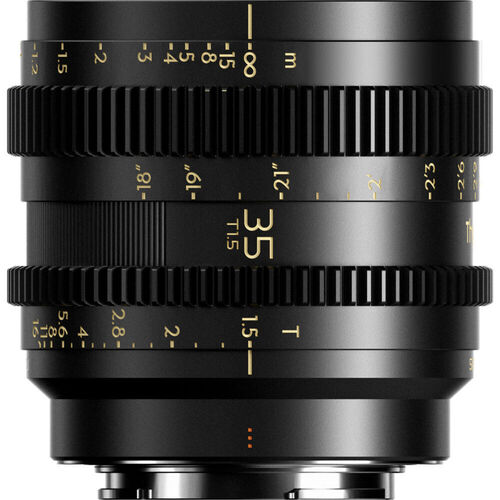
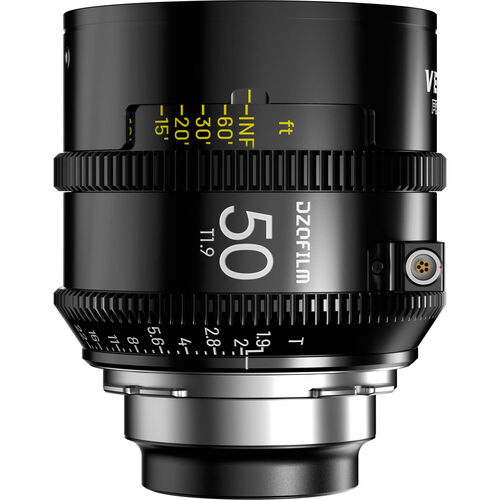
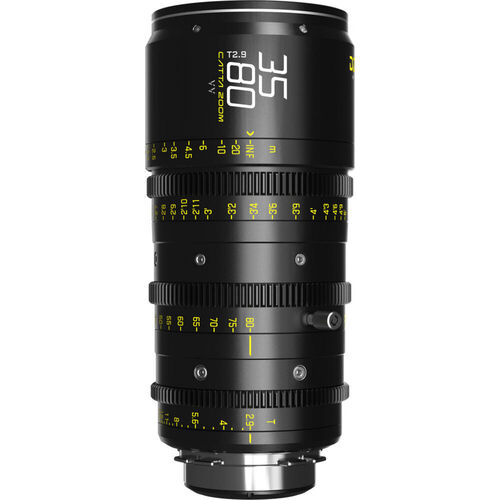
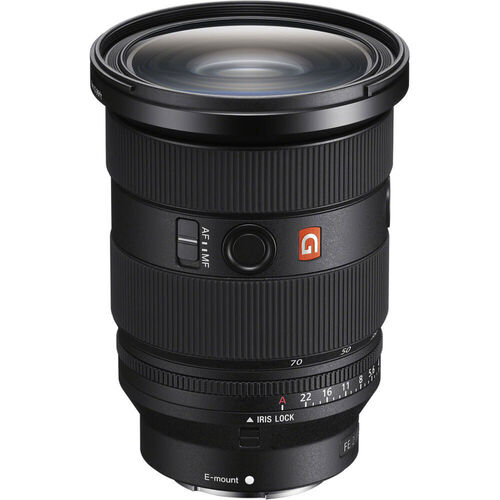
The Vespid 2 50mm is the workhorse cine prime for narrative. The Catta Ace 35-80mm is the cine-zoom upgrade when you need parfocal coverage. The Sony 24-70 GM II is the autofocus zoom that pairs with any Sony body. The Thypoch Simera-C 35mm at T1.5 is the smallest, fastest cine prime on the shelf.
Common Questions
Should I rent prime lenses or zooms for a Toronto narrative shoot?
Which prime lens set has the most consistent character across coverage?
Can I rent prime lenses with autofocus for a hybrid stills shoot?
Do cine primes work on the Sony FX3 or FX6 mirrorless body?
How fast are the apertures on rental cine primes?
Where do I pick up a prime lens rental in Toronto?
Ready to book a prime lens rental?
Cine primes and Sony GM glass are bookable in real time at vivacamera.ca. Click below to check availability and reserve.
Browse the full cine lens rental Toronto shelf or the broader lens rental Toronto hub. Browse the full Toronto camera rental house.