.png)
In this guide
- TL;DR, what to look for
- The three ways to rent, compared
- Retail counters: Vistek
- Dedicated rental houses
- Peer-to-peer: ShareGrid, FriendWithA
- Owned inventory vs brokered
- Real-time booking, not email
- Real specs, not adjectives
- Pickup, support, and returns
- Real-world Toronto scenarios
- Cinema camera kits available now
- Common questions
TL;DR, How to Pick a Camera Rental House in Toronto
Toronto gives you three ways to rent camera gear: the rental counter at a retail store (Vistek, and Henry's until it ended rentals in 2017), a dedicated camera rental house (Ontario Camera, Viva Camera), or a peer-to-peer marketplace where individual owners list their own kit (ShareGrid, FriendWithA). All three work. They fail differently, and the failure modes show up at 7am on a shoot Saturday, not in the booking email.
This guide compares the three models honestly, including where we are not the right answer. The four questions below are what we would ask any rental house before booking: does the shop own the gear, do they show real-time availability, do they publish actual specs, and does a real person answer when something breaks.
The Three Ways to Rent Camera Gear in Toronto
Every rental option in the city is one of three models. Retail counters rent gear out of a camera store. Dedicated rental houses do nothing but rentals. Peer-to-peer marketplaces connect you with individual owners who list their own kit. Here is how they compare on the things that decide a shoot day.
| What you are comparing | Retail counter | Dedicated rental house | Peer-to-peer |
|---|---|---|---|
| Who you rent from | Vistek (Henry's exited rentals in 2017) | Ontario Camera, Viva Camera | Individual owners on ShareGrid or FriendWithA |
| Selection | Strong photo and hybrid stock: stills bodies, lenses, flash, some video lighting and tripods | Production depth: cinema bodies, cine glass, lighting, grip, wireless video | Whatever owners nearby have listed. Deep on popular bodies, thin on support gear |
| Insurance and deposits | Store rental policy, handled at the counter | COI for high-value kits, damage waiver options, routine paperwork | Varies by platform and listing, sorted out per rental |
| Prep and testing | Handover at the counter, testing space depends on the store floor | Kits tested between rentals, inspect and power up before you load the van | You meet the owner, condition varies listing to listing |
| Weekend logistics | Pickup and return follow store hours | Confirmed at booking, with a phone that gets answered on Saturday | Depends on the owner's schedule, flexible when it works |
| Price structure | Posted counter rates | Published day rates online, multi-day pricing visible before you commit | Owner sets the rate, often the lowest sticker, fees and coverage vary by platform |
| If gear fails mid-shoot | Swap depends on what the counter has in rental stock that day | Swap from an owned shelf, direct line to someone who knows the kit | You are working it out with one person and whatever they have available |
| Best fit | Photographers, hybrid shooters, try-before-you-buy | Productions with a call time: commercial, documentary, narrative, corporate | Personal projects, flexible timelines, budget-first rentals |
No column wins everything. Vistek's counter is genuinely useful for stills and hybrid work, peer-to-peer can be the right price for the right project, and a dedicated house is more than you need for a lens you want to try over a weekend. The next three sections lay out each model straight, including the tradeoffs that never make it into anyone's own marketing.
Retail Rental Counters: Vistek
Vistek runs a real rental department, and the public catalog is wider than most filmmakers assume: medium format bodies, DSLR cameras and full-frame lenses, camera-mounted flash, plus video tripods, on-camera monitors, and studio video lighting. If you shoot stills, work hybrid, or want to try a lens before buying it, the counter model works well. You are in the store for media and a filter anyway, and the rental rides along in the same trip.
Henry's is the other retail name people search for, and the answer is short: Henry's ended its rental program in May 2017 and says so on its own site. In the retail column, Toronto now means Vistek.
The tradeoffs are structural, not a knock on the staff. A rental counter shares a roof with a sales floor, so pickup and return windows follow store hours, testing space is the shop floor, and the rental shelf skews toward what the store sells: photography first, production support gear second. If your shoot needs a cine zoom, wireless video, and a 1.2K key light, you are assembling that kit from somewhere else anyway.
- Right call for testing a lens or body before you buy it
- Right call for stills and hybrid jobs a camera-store shelf covers
- Right call when one pickup for rental, media, and accessories saves the day
- Wrong call when the shoot runs past store hours or needs a mid-shoot swap
Dedicated Rental Houses: Ontario Camera and Viva Camera
A dedicated rental house has no sales floor to feed. The whole business is gear going out clean and coming back checked, which is why the shelf reads like a production order: cinema bodies, cine glass, lighting, grip, wireless video, batteries and media in depth. Toronto has a handful of these. Ontario Camera is one. We are another, and this is our guide, so weigh this section with that in mind.
What the model buys you: kits tested between rentals on a bench, not glanced at over a counter. Time to inspect and build before pickup, so your AC rigs in our space instead of a parking lot. Certificates of insurance treated as routine paperwork. A swap path when a body fails mid-shoot, pulled from an owned shelf by someone who knows the serial number. At Viva Camera that means owned inventory at 777 The Queensway, live availability on every product page, same-day pickup confirmed at booking, and +1 437 747 6030 answered by the people who packed the case. If you are a US or international production shooting in Toronto, this is the column built for you: COI handling, prep space, and a local number that picks up.
Honest tradeoffs: a dedicated house is usually one location, not a chain, so the drive is the drive. For pure stills work, a retail counter often has more variety in photo-specific gear. And high-value kits mean paperwork wherever you rent. A COI or a deposit is part of the deal, ours included.
- Right call when the shoot has a call time and a client attached
- Right call when the kit crosses categories: camera, glass, lighting, grip, audio
- Right call when you want the body pulled, powered up, and verified before it leaves
- Right call when a 9am failure needs a same-day swap, not an apology
Peer-to-Peer Marketplaces: ShareGrid and FriendWithA
Peer-to-peer flips the model: instead of a company, you rent from an individual owner through a marketplace. ShareGrid built its name on affordable rentals of cameras, lenses, and production gear between filmmakers. FriendWithA runs the same play across gear categories: find the item in your city, request the dates, the owner approves, and you arrange pickup with them directly.
The honest case for it: sticker prices are often the lowest in the city, the variety is whatever Toronto's owners have bought over the years, and it can be the only way to find an oddball vintage lens within 10 km on a Tuesday night. For a personal project with a flexible timeline, peer-to-peer can be a smart deal.
The tradeoffs are the flip side of renting from a person instead of a shop. Condition and prep vary listing to listing, because every owner maintains gear their own way. Pickup and return happen on the owner's schedule, which gets interesting on weekends. Verification, deposits, and coverage get sorted per rental rather than at one counter. And if the body fails at 7am, there is no shelf of replacements behind it. You are working it out with one owner, mid-shoot.
- Right call for personal projects where the timeline can flex
- Right call when budget decides and you can absorb a hiccup
- Right call for rare or vintage glass no rental shelf in the city carries
- Wrong call when a client, a crew, and a call time are waiting on the kit
All three models put a camera in your hands. The difference is what happens at 7am when something goes wrong.
Whichever model fits your shoot, the same four questions separate a smooth day from a lost morning. Run them on us, run them on anyone.
1. Confirm the gear is owned, not brokered
Plenty of Toronto rental websites list inventory they do not physically own. They sub-rent from another shop the morning of your pickup. That works until it does not, until the third party already has the camera out, or the body comes back from a shoot with a scratched filter you inherit and pay for.
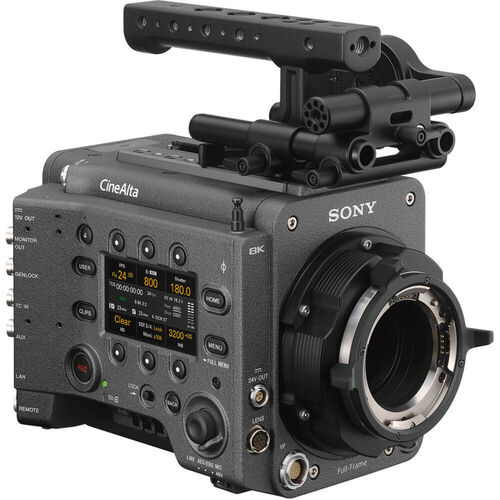
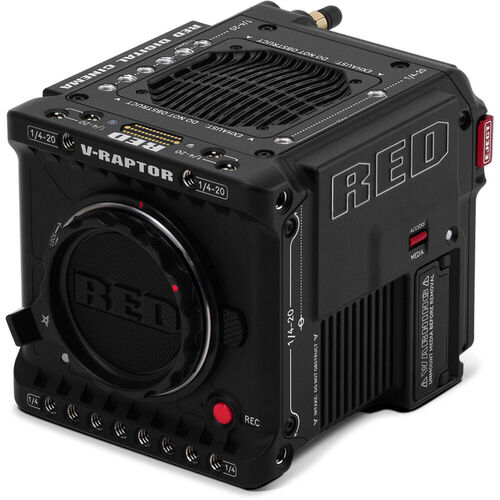
Ask directly: is this body sitting on your shelf, or are you sourcing it? At Viva Camera, every cinema body, lens, light, and stabilizer in our catalog is owned, maintained, and tested by us. The Sony VENICE 2, the RED V-Raptor 8K VV, the Aputure Storm 1200x, the DJI RS 4 Pro, all in our 777 The Queensway facility, all available to inspect before you load the van.
The same owned-and-tested rule covers our grip, rigging, and power inventory on the film equipment rental Toronto page.
- Ask if the listed serial number lives in their building
- Ask if you can inspect the kit before pickup day
- Ask what happens if a sub-rented body cancels last minute
- Look for shops that publish a fixed pickup address, not a vague service area
If the rental house cannot show you the body sitting on a shelf, you are renting from a middleman.
2. Look for real-time booking, not email back-and-forth
If a Toronto camera rental house cannot tell you within 30 seconds whether a body is available next Thursday, that is a workflow problem you will inherit on every booking. You should not need to wait for a quote on a Friday afternoon to know if the kit lock is open for Monday.
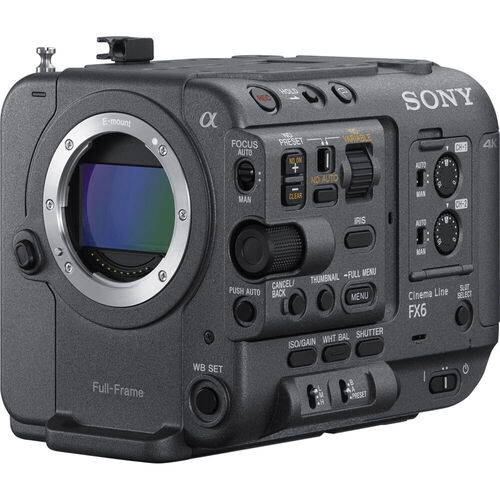
Look for a website that shows live availability and lets you reserve a date without a sales call. Our booking system updates the moment a kit goes out, so when you see a Sony FX6 at $300/day on the calendar, that is the truth, not a placeholder. The cinema camera rental Toronto shelf shows everything live: dates, prices, what is in stock, what went out an hour ago.
- Live availability calendar on every product page
- Day rate visible without a quote request
- Reserve and pay online, no phone tag required
- Email confirmation in seconds, not a sales follow-up day later
3. Look at the actual specs, not adjectives
"High-quality cinema package" tells you nothing. "Sony VENICE 2 with 8.6K full-frame sensor, dual base ISO 800/3200, 16 stops of dynamic range, in a kit with three V-mount batteries and a SmallHD 2403 24-inch HDR monitor" tells you what you are renting.
A serious Toronto camera rental house publishes serial-level inventory: which lens set, which mount, which adapter, which monitor. Our cine lens rental Toronto shelf lists every focal length with its T-stop, mount, and weight. Our Sony cinema camera rental Toronto page shows the FX3 alongside the FX6 and VENICE 2 with comparable specs you can scan in 60 seconds.
A real listing reads like a spec sheet. A broker listing reads like a brochure.
4. Confirm pickup, support, and a real phone number
Inspection at pickup is the single biggest difference between a working shoot day and a lost morning. The kit gets pulled from the shelf, the body powers up, the media is verified, the lens caps are accounted for, the batteries are charged, the cables and cards are in the case. That five-minute walk-through saves hours later.
Equally important: the phone number on the website is answered by someone who knows the gear. If your card slot fails on set at 9am, you do not want a sales rep checking with the warehouse. You want the owner or a senior tech who can swap a body and dispatch a kit before lunch. At Viva Camera, that is +1 437 747 6030, direct.
- Pickup walk-through, every body powered up, every cable accounted for
- A real phone number, not a contact form
- Same-day swap if a body fails on set
- Damage policy in writing, not "we will figure it out"
Real-World Toronto Rental Scenarios
Here is how the four questions play out across the kinds of shoots we see most weeks.
Cinema Camera Kits Available Now
The most-booked cinema kits out of our shelf at 777 The Queensway, all owned, tested, and bookable in real time:
$1,800/day
$500/day
$300/day
$500/day
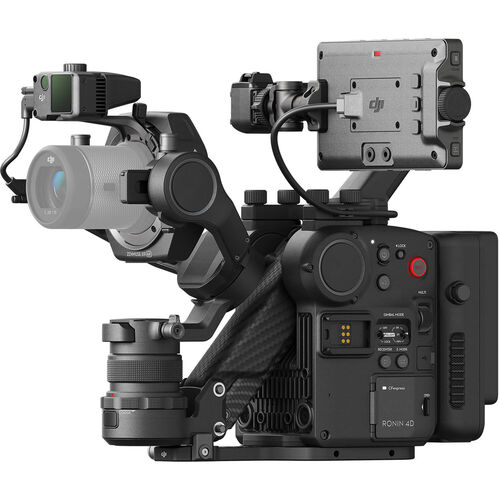
The Sony VENICE 2 is the cinema flagship for narrative and high-end commercial. The RED V-Raptor 8K VV covers productions running a REDCODE RAW workflow. For documentary and corporate, the Sony FX6 is the workhorse, with built-in Variable ND. And the DJI Ronin 4D 6K builds the gimbal into the camera for one-operator moving shots. All four live on our shelf, all four are bookable in real time on the cinema camera rental Toronto shelf.
Common Questions
How do I know if a Toronto camera rental house actually owns the gear they list?
What is the difference between renting from a broker and an owner-operated rental house?
Is it cheaper to rent camera gear from a retail store or a rental house in Toronto?
Is peer-to-peer camera rental safe for a real production?
Should I use a rental house with online real-time booking or one that quotes by email?
What questions should I ask before booking a Toronto camera rental?
How much should I budget for a Toronto cinema camera rental?
Can I pick up rentals same day in Toronto?
Ready to book a Toronto camera rental?
Real-time availability, owned inventory, and a real phone number on the line. Browse the full shelf or jump straight to cinema cameras.
Browse the full Toronto camera rental shelf or the focused Sony cinema camera rental Toronto set.