
In this guide
TL;DR for Cold Toronto Shoots
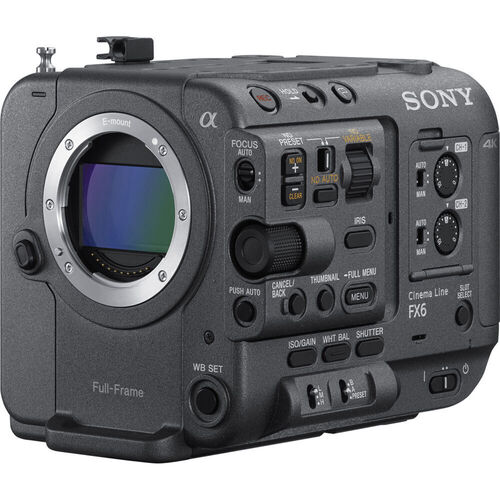
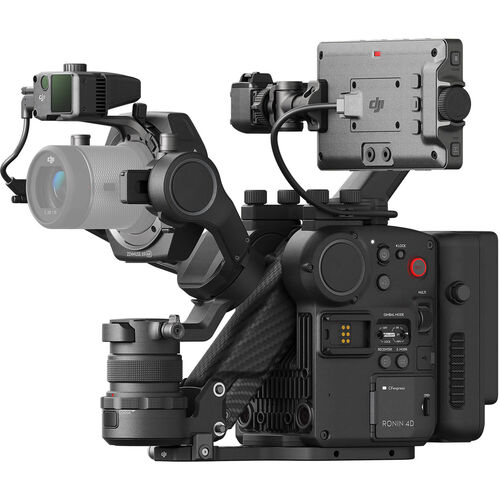
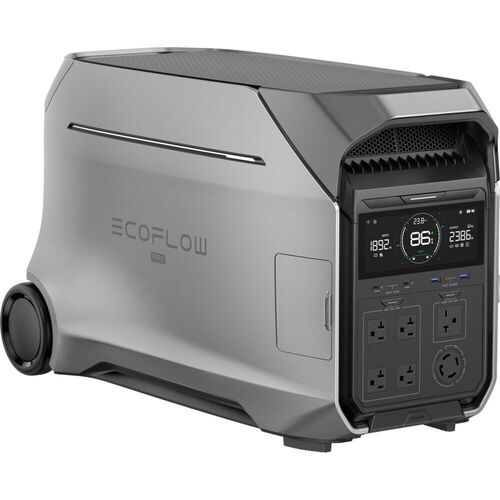
The camera bodies and gimbals you want from our rental shelf for cold work are the Sony FX6 at $300/day, the Sony FX3 at $230/day, and the DJI Ronin 4D 6K Combo at $500/day. Pair every body with the EcoFlow DELTA Pro 3 at $300/day so you have power for batteries and lights. Cold is not a deal-breaker for production. Bad battery management is.
What Changes When the Temperature Drops
Three things break in cold conditions, and they break in this order:
Pre-Shoot Prep Sequence
This is the four-step routine our cold-weather rental clients run before any -15C or colder day. Run all four in order the night before pickup.
- Charge every battery to 100 percent and store warm. A battery stored at room temperature the night before will start the day with full nameplate capacity. A battery stored in a cold trunk overnight starts at 70 percent.
- Pre-stage hand warmers in your case. Open a 4-pack of chemical warmers 30 minutes before your call time so they activate. Tape one to the top handle of each body before deployment.
- Test every lens at home temperature. Mount each lens, run a focus pull, run a zoom pull, check for any binding. Cold makes existing mechanical issues worse, find them before the shoot.
- Pack lens dry bags and silica gel. Ziploc-grade bags with 4 silica packets per bag. Every lens goes in its bag before re-entering a heated space.
The crews that fail in winter are the ones who treated battery rotation as optional. The crews that succeed pre-stage their power before the truck doors open.
Real Toronto Cold-Weather Venues
Some Toronto locations look fine on a 5C day and become hostile at -20C. Here is what we have learned:
Field Tips That Save the Day
- Carry every battery in an inside jacket pocket, not in the case. Body heat keeps them above freezing between shots.
- Bring twice the V-mount or BP-U spares you would for a 5C indoor shoot. 6 spares minimum for an 8-hour outdoor day.
- Use the EcoFlow DELTA Pro 3 to keep a heated power base running so you can rotate dead batteries into a warm trickle charge in the truck.
- Wear glove liners under your shooting gloves so you can quickly pop a glove off for menu input without losing your warm layer.
- Keep the camera in its case for the full drive. Open the case at location only after the body has stabilized for 5 minutes.
- Never wipe a fogged lens with a cold cloth. Let it sit in a dry bag with silica until the fog clears on its own.
- Mark the LCD brightness up 25 percent before deployment. Cold dulls liquid crystal response and you will not see the same exposure values you expect indoors.
The Cold-Weather Kit From Our Shelf
Here is the bookable kit we ship together for any -10C to -25C Toronto shoot:
$300/daySee dates →
$500/daySee dates →
$300/daySee dates →
$150/daySee dates →
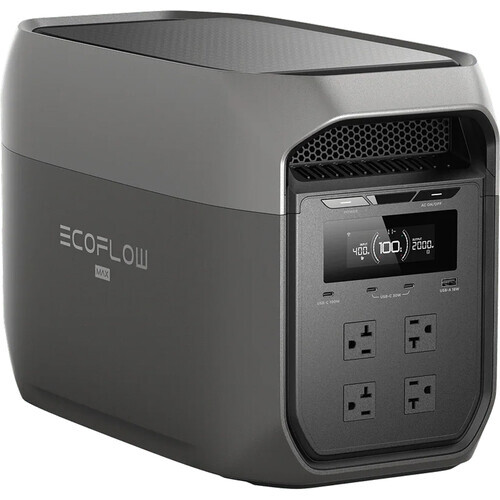
The Sony FX6 is the workhorse cinema body for cold conditions. The DJI Ronin 4D 6K Combo handles handheld and steady work in one package. Both EcoFlow units cover power station duty, the DELTA Pro 3 for full-day load and the DELTA 3 Max (2048Wh) as the backup unit with a carry handle. Browse the full power station rental Toronto shelf if you need additional capacity.
For lighting after dark, see our companion guide on Aputure lights for low winter light, and for gimbal-specific cold prep read cold-weather gimbal rental Toronto.
Common Questions
How cold is too cold for the Sony FX6 and FX3?
Will my SD or CFexpress cards fail in -20C?
Do I need a tent or warming blanket for the camera?
How long does a Sony BP-U battery last at -20C?
Does the DJI Ronin 4D handle Toronto winter?
Is condensation worse on PL or E-mount lenses?
Ready for your winter shoot?
Lock in cold-weather camera, gimbal, and power kit at vivacamera.ca. Every body is tested before pickup and ships with the spares you need for -25C work.
Browse the full Toronto cinema camera rental shelf or the broader camera rental Toronto hub for every body in stock.