In this guide
TL;DR Focus Playbook
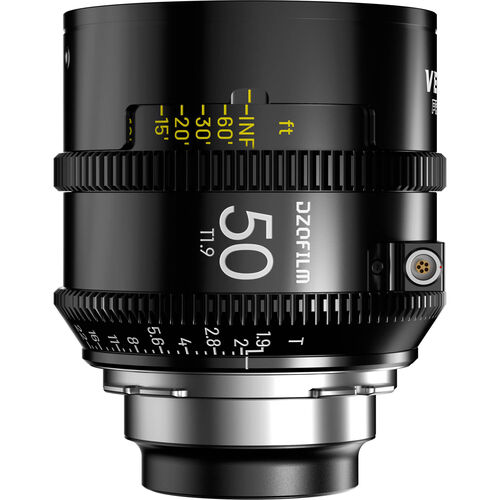
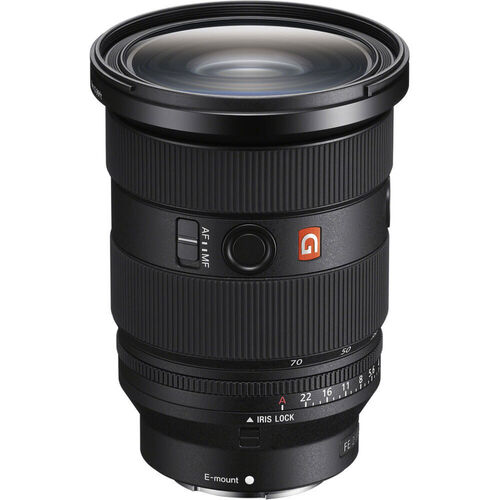
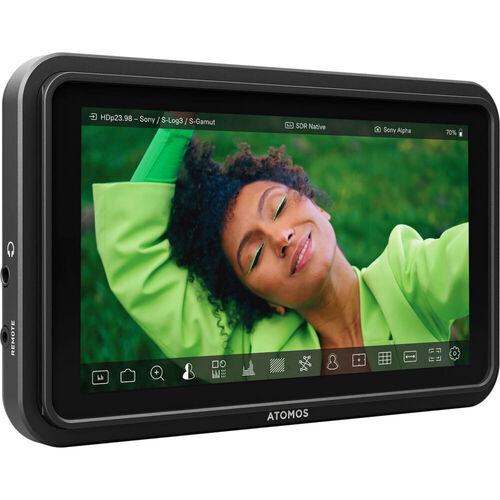
Cold weather kills focus four ways. Lens fog, stiff lubricants, AF motor hunt, and IS micro-jitter. The fastest fix is to switch from a stills AF lens to a manual cine lens. From our shelf, the DZOFilm Vespid 2 50mm T1.9 at $85/day is a manual-focus prime. Pair it with the Atomos Shinobi II 5.2-inch monitor at $30/day so you can pull focus reliably with peaking. For AF-required work, the Sony FE 24-70mm GM II is $50/day.
Four Cold-Weather Focus Failures
Cold Focus Diagnostic Sequence
If focus fails mid-take in cold conditions, run this 3-step diagnostic before swapping the body or rolling another take:
- Identify the failure type. Is the image fogged? Is the AF hunting? Is the focus ring stiff? Is the IS visibly jittering? Each has a different fix and confusing them costs takes.
- Swap to a manual prime. The DZOFilm Vespid 2 50mm T1.9 is a manual-focus prime. Manual focus eliminates AF motor failures.
- Rewarm the failed lens. Place it in a dry bag with silica gel inside an inside jacket pocket for 15 minutes. Then test at the warmer temp before redeployment. Most stills AF lenses recover full function after a 5 to 10 minute warm-up cycle.
The crews that succeed in cold conditions carry one cine prime as a backup, every shoot, no matter the season.
Pre-Shoot Prep That Prevents Focus Failure
- Pack 2 dry bags per lens, with 4 silica packets per bag, replaced every shoot.
- Mark every lens with the temperature transition you have already cycled it through. A lens cycled 3 times in one day is at higher risk of internal moisture trapping.
- Pre-stage one manual cine prime as a backup, even on AF-only shoot plans. The DZOFilm Vespid 2 50mm T1.9 is a one-bag insurance policy.
- Use the Atomos Shinobi II monitor for focus confirmation. Its 1500-nit brightness stays readable in cold where the FX6 LCD dims.
- Set focus peaking color to red for cold snow scenes. Blue and yellow peaking gets lost in winter palette.
- Test every lens at home temperature the night before pickup. Mount, focus pull, zoom pull, IS toggle, AF hunt test. Find issues before the shoot.
- For AF work, allow the lens to acclimatize to ambient cold for 20 minutes before shooting. Sudden cold-soak from a warm car shocks the AF motor.
Cold Focus Recovery Kit
This is the bookable kit that solves cold-weather focus failures on a Toronto winter shoot:
$85/daySee dates →
$50/daySee dates →
$30/daySee dates →
$300/daySee dates →
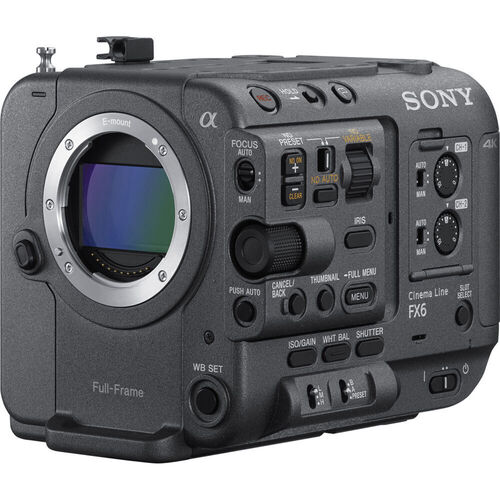
The DZOFilm Vespid 2 50mm T1.9 is the manual prime that replaces a failed AF lens without losing the shot. The Sony FE 24-70mm GM II is the workhorse AF zoom. The Atomos Shinobi II monitor confirms focus at a glance even when the camera LCD dims. The Sony FX6 body provides the dual base ISO that lets you stop down enough to gain depth-of-field as a buffer against minor focus drift.
For a deeper read on the cine vs photo lens choice for winter work, see how to choose a lens rental: cine vs photo. Browse the dedicated cine lens rental Toronto shelf for cold-tolerant primes, the photo lens rental Toronto shelf for AF zooms, and the DZOFilm rental Toronto brand spoke for the Vespid 2 lineup.
Common Questions
Why does my lens fog up in winter?
Will my Sony 24-70 GM II AF stop working in cold?
Are PL cine lenses better in cold than stills lenses?
How long should I let a lens acclimatize before shooting?
Can image stabilization fail in cold?
What's the best monitor for checking focus in cold?
Lock in your cold-weather lens kit
Reserve the DZOFilm Vespid 2 manual prime plus AF backup at vivacamera.ca. Every lens tested cold before pickup at 777 The Queensway.
Browse the full lens rental Toronto shelf or the broader camera rental Toronto hub.